
Chesapeake Active Warrants Explained
Chesapeake City posts no public searchable active-warrant database through the City, the Police Department, the Sheriff, or the courts. The official substitute is a phone confirmation with the Police Warrant Unit about your own city process. The unit will not search another locality or state, and it will not read a charge over the phone. OCIS and the GDC system can surface case information, but neither one is a warrant-only registry. A blank search, in other words, is not a status finding. Reach the Warrant Unit and the clerk for the court tied to the case. The word "outstanding" generally means process not reported as served or closed, and Chesapeake City publishes no status codebook. Ask about the specific case rather than inferring meaning from a broad name match.
Chesapeake Has No Public Warrant Roster
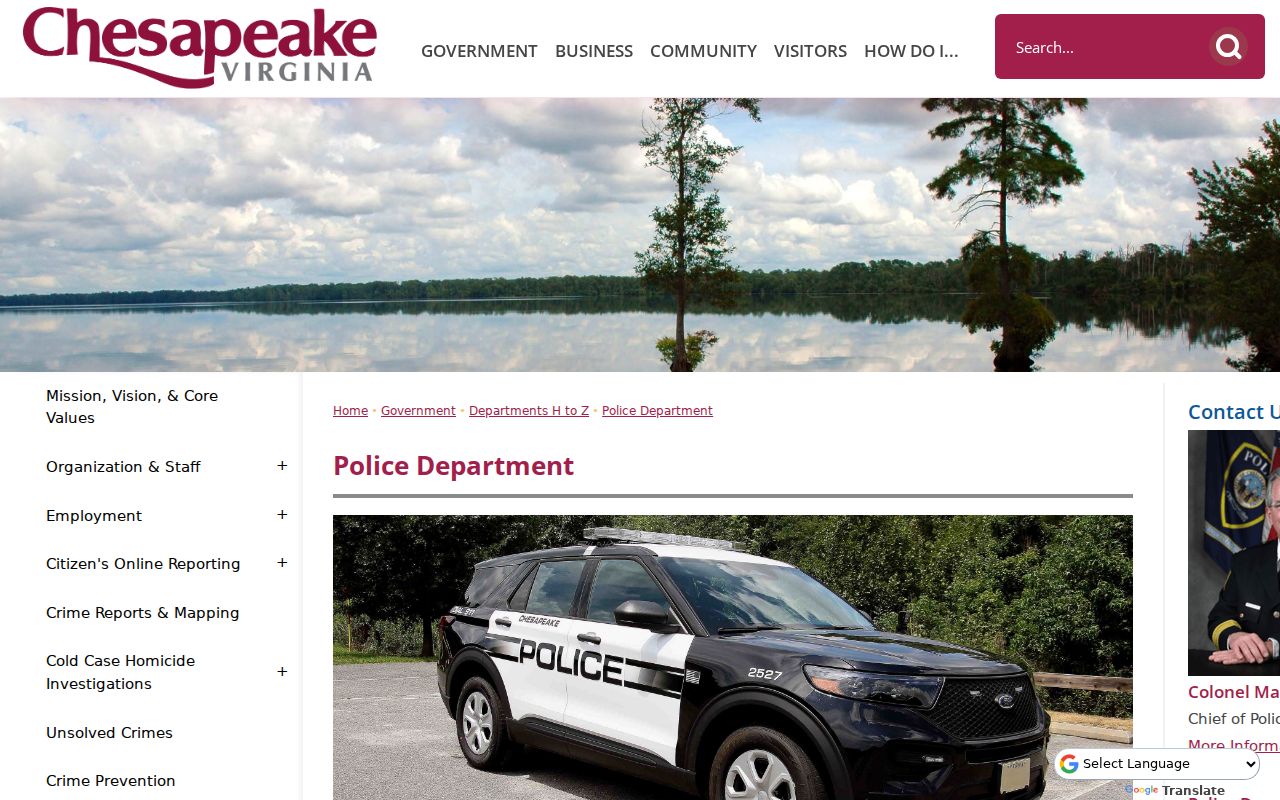
The CPD Warrant Unit keeps an internal database of the summonses, warrants, and detention orders it receives. It is not a public search page, and Chesapeake City offers no roster, search form, update schedule, export tool, or public warrant-unit email for it. That gap is a local access fact, not a reason to turn to a commercial search service. The two agencies also have distinct roles in Chesapeake City. The Warrant Unit investigates and serves criminal process alongside the Sheriff's Fugitive Squad, while the Sheriff handles court security and legal process. For a personal confirmation, a phone call is the public route. The City's Police Department page identifies official department channels.
The Sheriff’s Office appears in the City's public-safety directory.

How Chesapeake Tracks Active Warrants
CPD says its Warrant Unit logs every incoming summons, warrant, and detention order. Its annual report describes joint work with the Sheriff's Fugitive Squad and other agencies. It states no public refresh schedule, because Chesapeake City publishes no public active-warrant list at all. A case search or docket may update on its own timeline.
Note: Chesapeake does not publish a roster with a completeness or update notice, so an online absence cannot confirm that no process exists.
2024 Chesapeake Warrant Activity
Chesapeake City police logged heavy warrant activity in their 2024 Annual Report: 5,640 warrants entered, 1,164 served, and 3,053 still outstanding. Those are counts for one reporting period, nothing more. The report is not a name list, and it is not a live September 2026 tally. It also cannot tell you where any single case stands.
The report gives no warrant numbers, court identifiers, charges, or person-level service history. The totals cannot identify a case or compute an individual status by subtraction. The Sheriff's older budget figures run on fiscal years and different counts, so they should not be merged with the CPD report or called today's balance. Only the office holding a case can confirm its entry in Chesapeake City.
Inside an Active Warrant Record
Chesapeake City publishes no sample warrant listing, so exact fields cannot be verified. A case query may show a charge, a court, a case number, or a docket event. The City does not publish warrant status codes, a name-list schema, or a warrant-number pattern. Ask the issuing clerk and the Warrant Unit to confirm the specific item.
| Identifier | Format not published |
|---|---|
| Charge or process | Use a court entry or clerk-held record; CPD may confirm other process by phone. |
| Issuing court | GDC, Circuit, or JDR according to the matter. |
| Service and return | Virginia law requires execution details to return to a judicial officer. |
| Current status | Local public status codes and warrant-list fields are not published. |
For a case-specific copy in Chesapeake City, the Circuit Clerk can explain the criminal document request form and the applicable charges. A request may cover an existing warrant or indictment, subject to access restrictions. If you need current confirmation, ask separately whether the Warrant Unit has updated its service record. Service and return are two distinct record events. Virginia law directs an officer to report execution details to a judicial officer, and a docket may lag behind. So if a court appearance or service just happened, keep the written order. Then ask the issuing clerk whether the return has been filed.
A Docket Is Not a Warrant Certificate
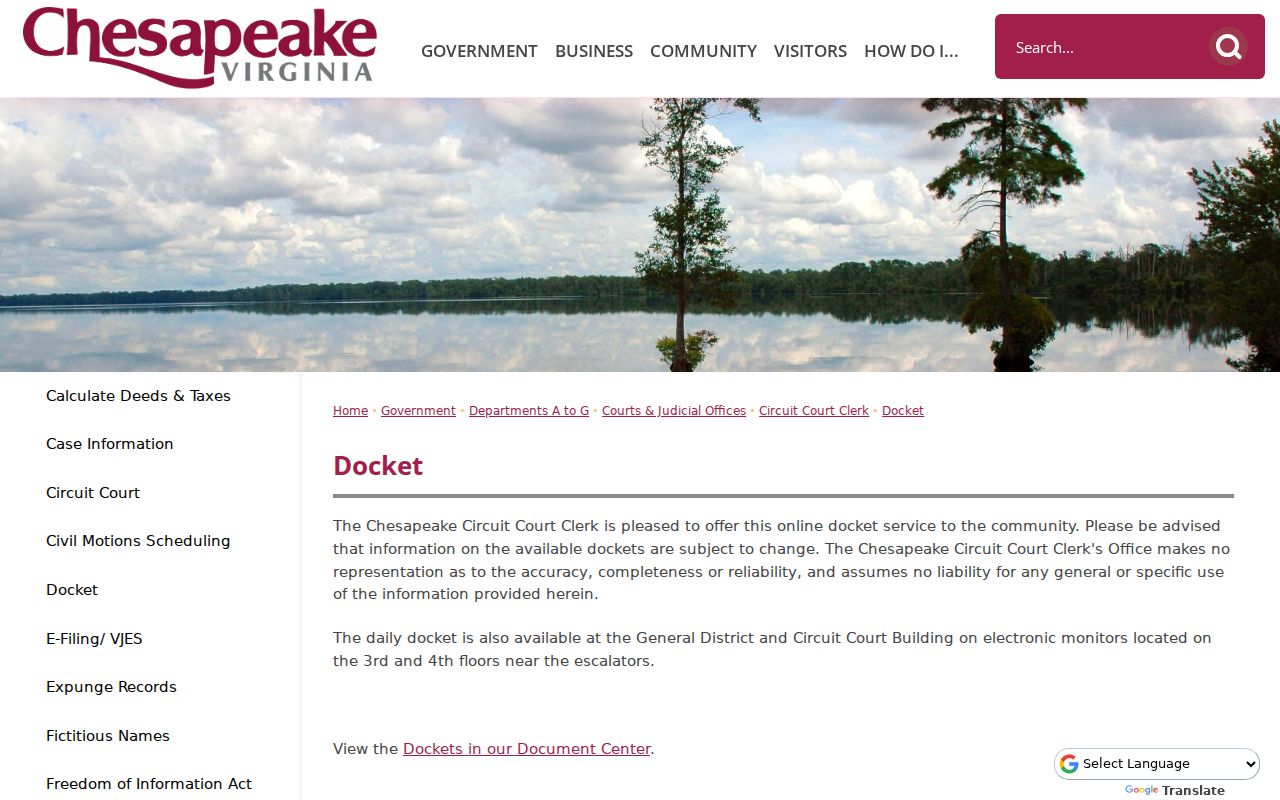
Chesapeake City posts a Circuit Court docket for upcoming sessions. The clerk warns that it can change and may not be accurate, complete, or reliable. A docket helps you locate a hearing; it does not confirm that an arrest warrant was recalled or that CPD updated its records. The City's Circuit docket page describes the daily posting. When status matters, compare it with current case information and the Warrant Unit's confirmation.
Warrant Roundups and Most-Wanted Lists
Chesapeake City runs no official active-warrant roundup and posts no most-wanted roster. The City Crime Line takes anonymous tips on unsolved crimes and wanted-person locations, but it is not a list and not a way to confirm a warrant. No amnesty date, fee waiver, or special walk-in docket exists here.
Key Point: The Chesapeake Crime Line accepts tips; it is not an active-warrant database or official warrant confirmation channel.
Report information through the City program, and contact the Warrant Unit for your own status. Do not treat tip posts as a complete warrant list.
Crime Line and Warrant Checks Differ
Chesapeake Crime Line offers an anonymous tip route by phone, online form, and the P3TIPS app. City notices say a tip may involve an unsolved crime, a wanted person's location, or stolen property. The anonymity promise covers tips only in Chesapeake City. It does not turn Crime Line into a private warrant lookup service.
| Need | Use | Do not expect |
|---|---|---|
| Report a location or crime tip | Crime Line phone, form, or app | Case status or warrant confirmation |
| Confirm your Chesapeake process | CPD Warrant Unit | Search of another jurisdiction |
| Find the case or court | OCIS, GDC, or issuing clerk | A complete statewide warrant roster |
The tip line for Chesapeake City is 1-888-562-5887, option 4, and the City posts an online form plus P3TIPS alongside it. Those channels exist for reporting a crime or flagging a location. They will not confirm whether someone else has an active warrant. Nor does a tip ever justify approaching a person on your own.
When Your Name Is on the Warrant List
Say the Warrant Unit confirms an outstanding warrant in your name. Your first question is which court holds the case. A lawyer can sort out the best path, whether that is appearing, moving to recall the warrant, paying, posting bond, or arranging a surrender. Chesapeake City posts no bond schedule or self-surrender location, so call the right office before you go anywhere.
Important: Speak with counsel or the issuing court before arranging a visit; Chesapeake has not published walk-in surrender or bond-window instructions.
Verify After Court Action
A payment, a new court date, or a judge's order changes the court record, but that does not mean the Warrant Unit sees it right away. Chesapeake City publishes no update schedule for CPD's internal database. Hang onto any receipt or written order you get. Then check with both the issuing court and the Warrant Unit before assuming the warrant status has actually changed.
- Keep the court receipt, order, or new-date notice.
- Ask the clerk whether the court action changed the process.
- Call the Warrant Unit again and confirm its record reflects the change.
- Contact counsel if entries conflict or another step is unclear.
No citywide fix covers every outstanding warrant here. Chesapeake City has published no universal bond schedule, no walk-in surrender window, and no public procedure for lifting a warrant across the board. What works depends on the issuing court and the charge behind it, so counsel should ask whether the court wants a motion, a set date, or an arranged surrender before anyone drives to a courthouse or jail. Once you have paid or appeared, ask for the written order that changed things. A new date can cure a failure to appear while the underlying case moves on, and a receipt may show a debt settled rather than bond posted.