
Chesapeake Arrest Warrants Explained
Chesapeake City magistrates review complaints on their own and can issue arrest warrants and search warrants. An arrest warrant lets law enforcement take someone into custody once a judicial officer finds probable cause. Not every sworn paper is the same, though. Virginia demands sworn information, and a felony also needs a written complaint. If a private citizen files that felony complaint, the Commonwealth's Attorney or a law-enforcement agency with jurisdiction must approve it first. That step belongs to the judicial process. It is not a police investigation, and felony cases then travel a different court route than adult lower-court matters.
How Chesapeake Magistrates Review Probable Cause
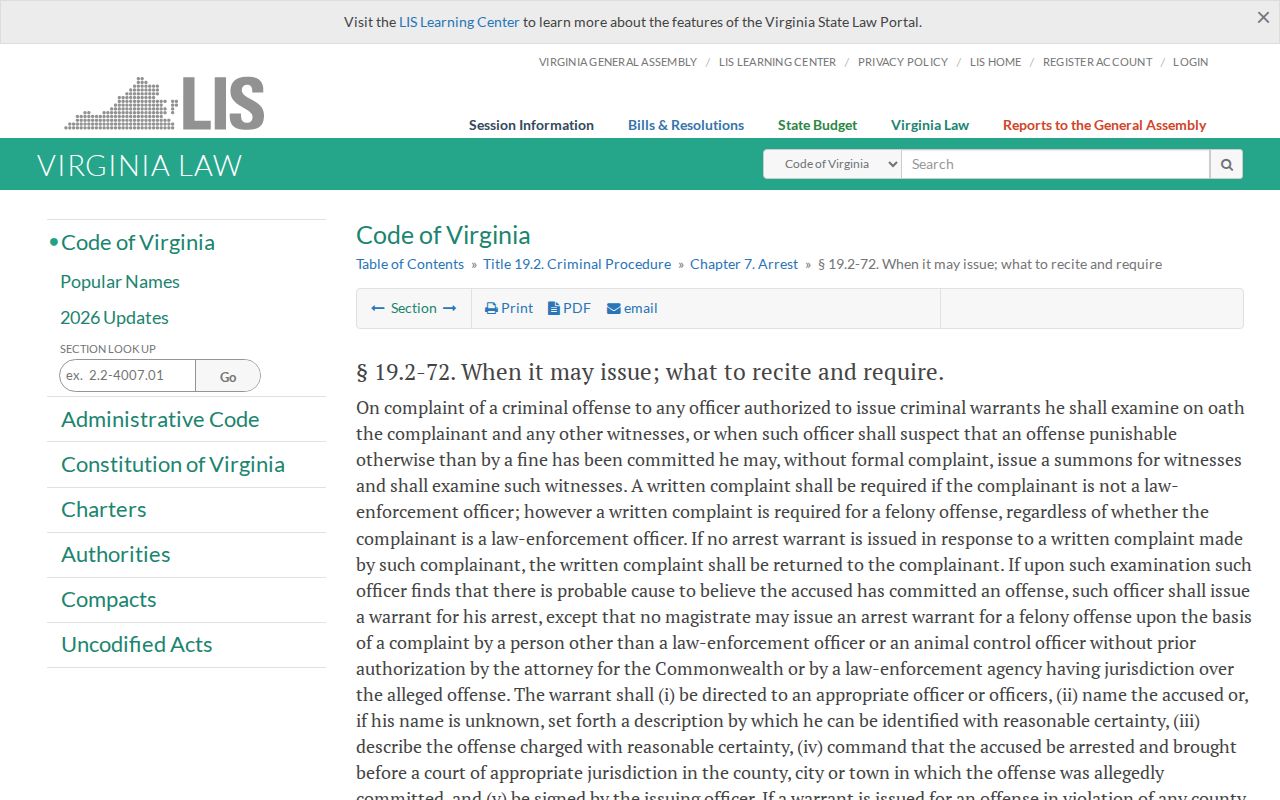
Va. Code §19.2-72 sets the procedure. The authorized officer questions the complainant and any witnesses under oath. Probable cause found, process issues. Chesapeake City's Magistrate Office handles this judicial work around the clock, though staff cannot disclose pending charges or give legal advice. For the full wording, the Virginia arrest-warrant statute lays out the sworn review, not any individual warrant.
Inside a Chesapeake Arrest Warrant
Chesapeake City publishes no public sample arrest-warrant entry or unified field schema. A clerk-held record may still name the issuing authority, the charge, the return court, and any later service or bond action. The exact local number, status labels, and bond fields appear in no public list. The clerk is the one to ask.
| Warrant number | Format not published |
|---|---|
| Named person | Public disclosure depends on the record and legal limits. |
| Charge | May include a Virginia code section or local ordinance. |
| Issuing authority | Magistrate or other authorized judicial officer. |
| Court of return | Circuit, GDC, or another court with jurisdiction. |
| Bond or service | Case-specific; no public Chesapeake bond schedule or schema was found. |
Check the person and the court before trusting a charge description. The office that serves a warrant may not be the office that issued it or the court it returns to. Chesapeake City posts no standard bond figure or status-code key, so ask the clerk directly.
Capias After a Circuit Indictment
After a Circuit indictment, a felony in Chesapeake City moves on capias process under Va. Code §19.2-232. A capias is arrest process that follows indictment, not just another name for any probable-cause arrest warrant. Misdemeanor indictments may run on a capias or a summons instead. The Circuit Clerk holds the felony files, indictments, and criminal process. One more wrinkle: local payment material warns that a capias can follow a deferred-payment default. That warns about court-cost enforcement. It does not mean every unpaid amount triggers one, so ask the issuing clerk what process applies.
Serving Arrest Warrants in Chesapeake
The CPD Warrant Unit investigates and locates wanted persons. The department's annual report says any officer may serve criminal warrants. The Unit also works alongside the Chesapeake Sheriff's Office Fugitive Squad and partner agencies, and Virginia law lets an authorized officer execute process anywhere in the Commonwealth. Even so, the public record never names which officer will serve a given case, and no office publishes a service timeline. After the arrest, the person goes back before a judicial officer. Chesapeake City magistrates may then admit the defendant to bail or commit the person to jail. No local source promises a fixed hearing window or a set bond amount. Virginia law also requires the officer to return execution details to the issuing authority. Ask the clerk whether that return has been filed.
Who Serves Chesapeake Criminal Process
Issuing and serving are different jobs. Magistrates review complaints and issue process; the Circuit Court, General District Court, and Juvenile and Domestic Relations Court keep their cases; CPD and the Sheriff's Office serve the papers. Federal warrants follow a separate court and agency route entirely. A call to Chesapeake City's Warrant Unit can confirm local process for you, but it cannot search federal systems or other localities' records.
| Stage | Chesapeake route | Role |
|---|---|---|
| Probable cause | Magistrate Office | Reviews sworn complaint and may issue process |
| Case record | Circuit, GDC, or JDR | Keeps the docket and court file |
| Service | CPD, Sheriff, or authorized officer | Executes and returns process |
| After arrest | Magistrate and jail | Handles bail or commitment |
Comparing Arrest, Summons, and Bench Warrants
These three terms mark different steps in a Chesapeake City case. An arrest warrant follows a probable-cause review. A summons simply directs a person to appear. A bench warrant, in everyday usage, is arrest process tied to a missed appearance or a violated order. The court and the case type decide what response fits.
| Feature | Arrest Warrant | Summons | Bench Warrant |
|---|---|---|---|
| What it directs | Arrest | Appearance at a stated time | Arrest tied to a court obligation |
| Basis | Probable cause | Notice or process | Missed date or order issue |
| Local route | Magistrate and court of return | Issuing court | Court that set the case |
| Response | Ask counsel and court about next steps | Contact court if date is unclear | Ask about appearance or recall |
Federal Warrants Use Another System
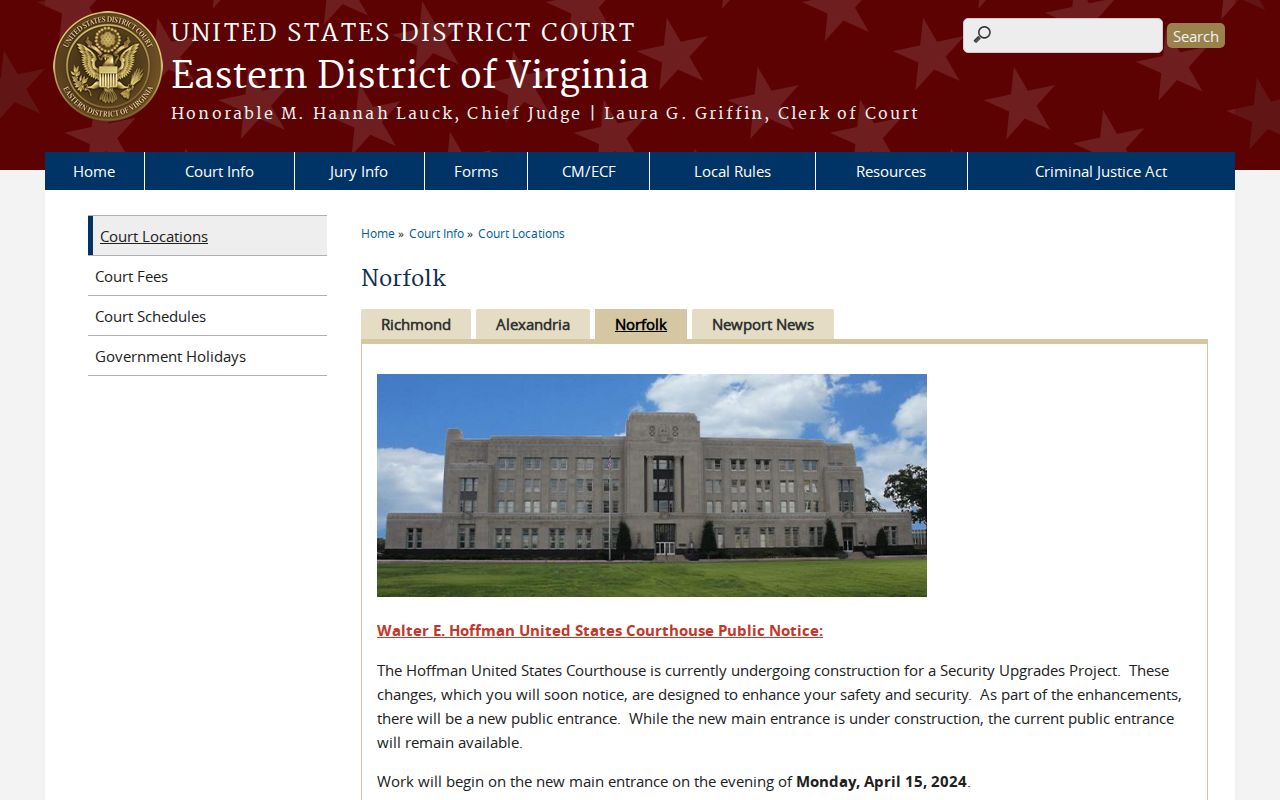
Federal process for Hampton Roads runs through the Eastern District of Virginia, Norfolk Division. Chesapeake City's Warrant Unit cannot confirm a federal warrant. PACER searches federal dockets, though sealed complaints or warrant material may not appear publicly. The Norfolk federal courthouse page lists the division route and address.
The PACER fee FAQ sets the cost rules: 10 cents per page, a $3 cap on most case-specific documents, and no quarterly bill of $30 or less.
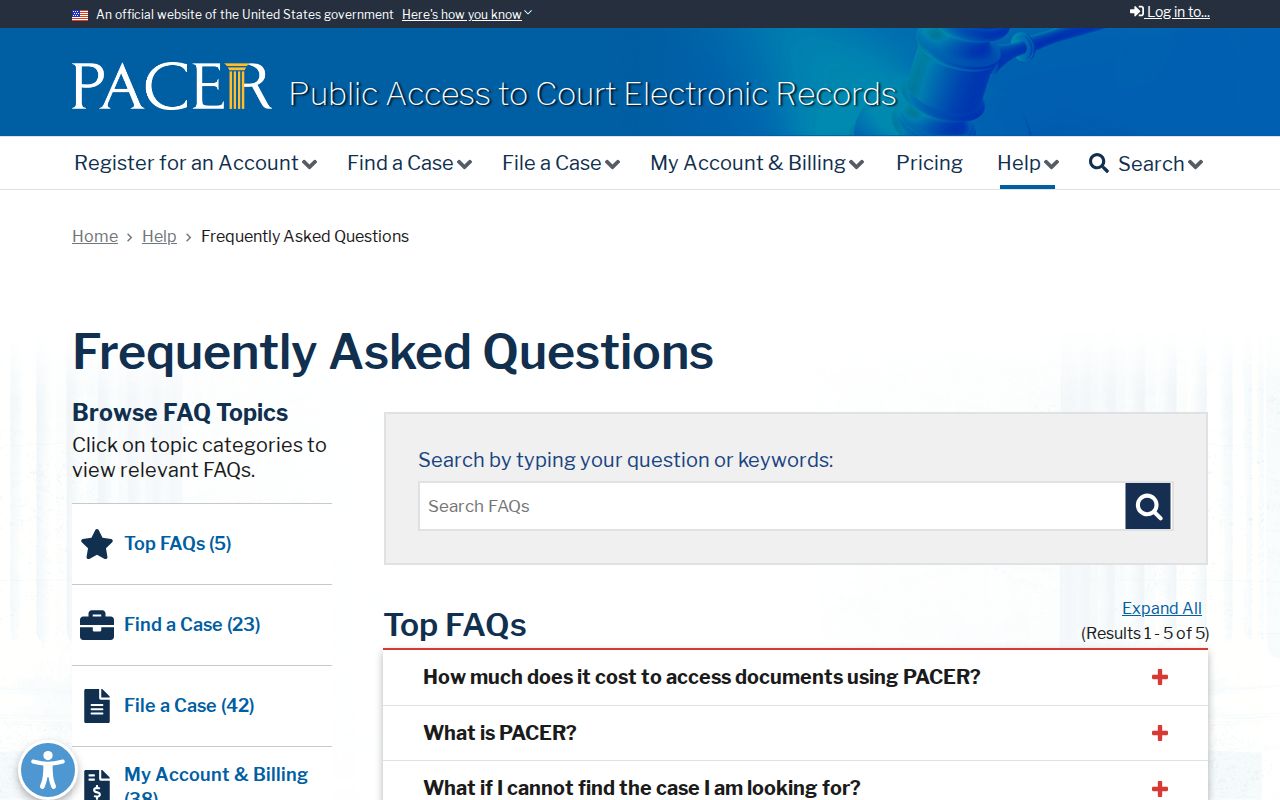
Those fees buy docket access, not answers about warrant status. Federal complaints and sealed warrant material may stay closed until a court allows public access. Chesapeake City police cannot search PACER for a caller. A Virginia case lookup will not show federal process as a Chesapeake docket either. Follow the division printed on any federal paperwork.
If There's an Arrest Warrant for You
Call the Chesapeake Warrant Unit first to confirm your own local process. Then identify the court through a case search or the clerk. A Virginia attorney can help you weigh an appearance, a motion, bond, or an arranged surrender. Chesapeake City publishes no bond schedule or public surrender window, so do not guess which counter takes a walk-in.
Important: Speak with counsel or the issuing court before arranging surrender; bond amounts and the correct booking route depend on the individual court order.
Suspect a Chesapeake City arrest warrant in your name? Call the Warrant Unit. It will confirm only your own process, and it will not read the charge over the phone. For a felony file, reach Circuit Court at 757-382-3000, while adult traffic and misdemeanor matters sit with the GDC. A blank public result is never proof that no warrant exists, so ask the right office instead of assuming the process is gone.
Sealed Files and Certified Copies
A sealed indictment or investigative file can stay out of any public warrant lookup. Virginia law opens adult arrest and charge information to the public. Protected investigative and personal details may still be withheld. So a missing result is not proof that no warrant exists. For copies, Chesapeake City's Circuit Court Document Request Form covers criminal orders, indictments, and warrants. The fees: $7.50 for research, $2 for certification, $0.50 per page, and $5 for mailing. A 2% card convenience fee also applies. Use the City's Circuit criminal document request form to request an existing copy. Availability still depends on the record and the law. The form reaches only Circuit records. It does not cover GDC or JDR files. A clerk may redact protected material. Virginia FOIA generally calls for an initial response within five working days, though an exception may apply, and it cannot require a new status report. If you already hold a confirmed process, the Chesapeake warrant resolution steps lay out the local court and Warrant Unit route. Note, though, that this disclosure gives you no sealed affidavit and no live service confirmation.